

Regenerative Medicine & PRP Injections: Is It a Real Alternative to Surgery
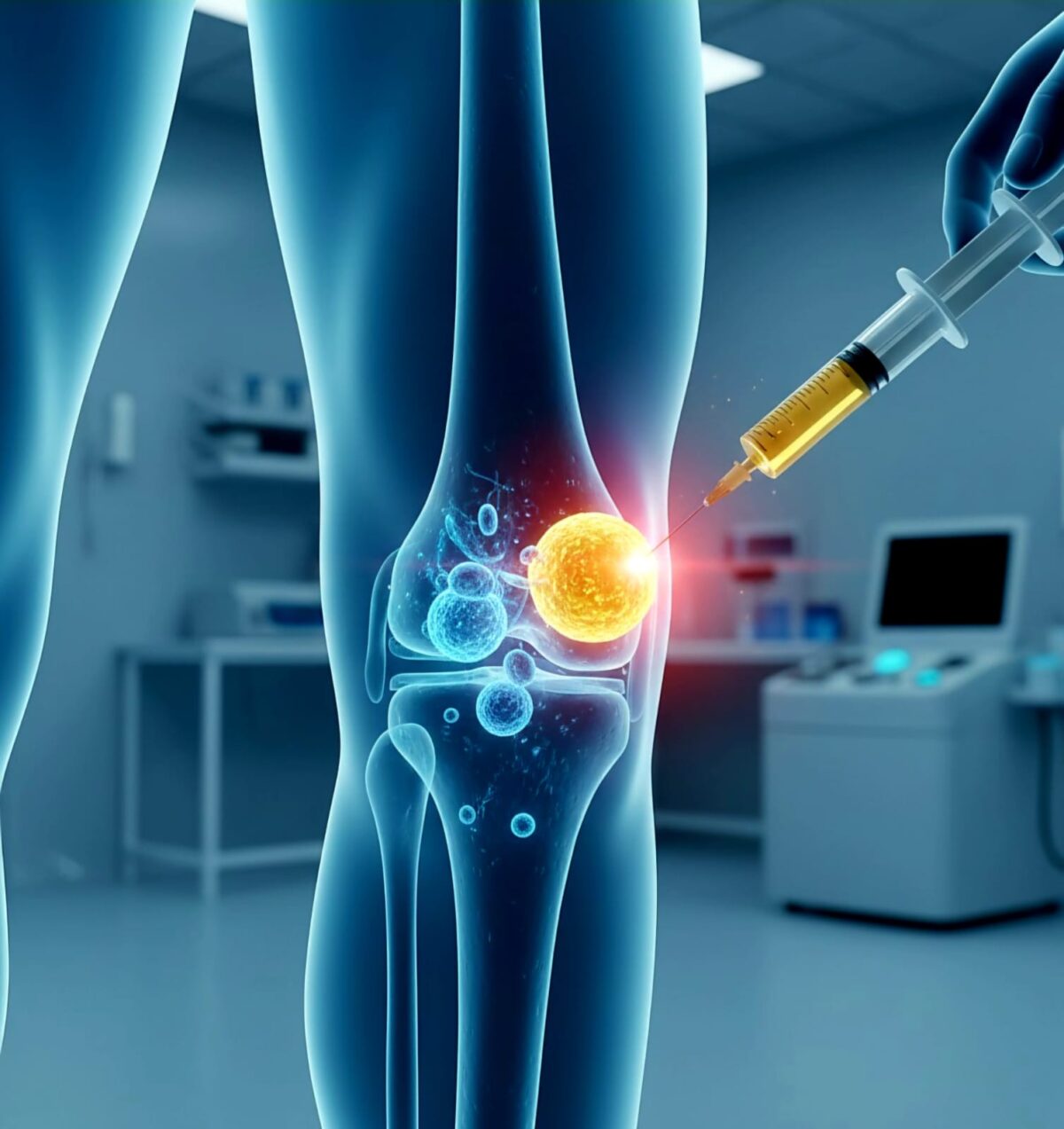
Platelet-Rich Plasma (PRP) therapy has become one of the most sought-after non-surgical treatments in orthopedics. But what is the science behind it? Dr. Ahmed Sallam, Consultant Orthopedic Surgeon, explains how Regenerative Medicine is changing the lives of patients suffering from joint and tendon pain.
How Do PRP Injections Work?
PRP therapy utilizes the body’s natural healing components. A small sample of the patient’s blood is drawn and processed to concentrate the platelets. These platelets are rich in “Growth Factors.” When injected into inflamed tendons or damaged joints, they stimulate cellular repair and accelerate tissue healing.
Top Conditions Treated with PRP Therapy
PRP injections are highly effective for:
- Chronic Tendonitis: Including Shoulder tendonitis, Tennis Elbow, and Achilles tendonitis.
- Sports Injuries: Ligament sprains and muscle tears.
- Knee Osteoarthritis: Particularly in mild to moderate stages, helping to reduce pain and delay surgical intervention.
Safety and Precision
Since PRP is derived from your own blood, it is 100% biocompatible with zero risk of allergic reactions. According to Dr. Ahmed Sallam, the success of the procedure depends on the precision of the injection, often performed under ultrasound guidance to ensure the plasma reaches the exact site of injury.