

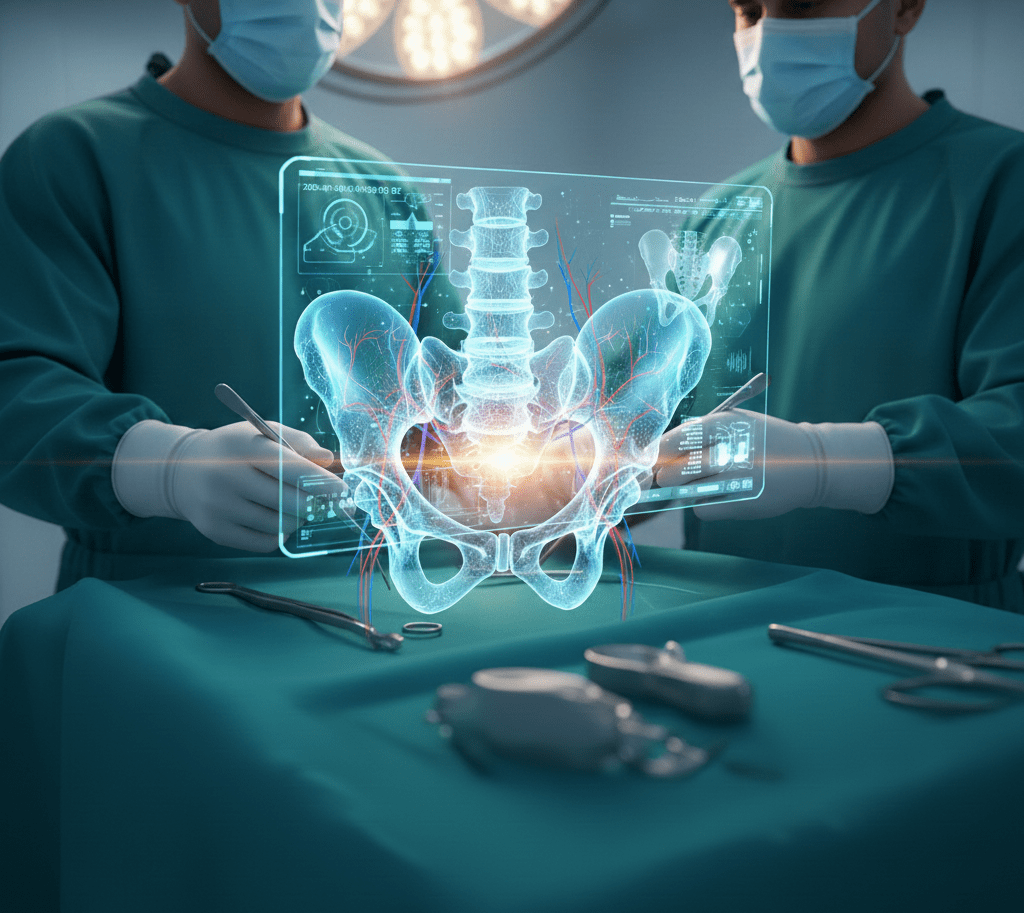
Understanding the Unique Challenges and Innovations in Pelvic and Acetabular Fracture Care
Introduction
The pelvis is among the most intricate structures in the human body, containing vital blood vessels, essential nerves, and forming the base for the hip joint. Because of this complexity, surgical intervention for pelvic injuries, particularly pelvic and acetabular fractures—stands out as one of the most demanding areas within orthopedic trauma.
What Are Pelvic and Acetabular Fractures?
Pelvic fractures typically result from significant trauma, such as motor vehicle accidents or falls from great heights. Acetabular fractures specifically affect the hip socket, making them particularly sensitive injuries.
- Even slight shifts in bone alignment can quickly cause:
- Early-onset hip osteoarthritis
- Persistent pain
- Reduced range of motion
- The need for premature hip replacement surgery
This is why acetabular fracture repair demands the utmost surgical precision.
Why Is a Pelvic Surgery Specialist Necessary for These Procedures?
Pelvic fracture surgeries are far more complex than standard orthopedic operations, requiring:
- In-depth knowledge of pelvic anatomy
- Mastery of open reduction and internal fixation (ORIF) techniques
- Meticulous safeguarding of nerves and blood vessels
- Extensive pre-surgical planning
Patients from around the globe, especially those in the Middle East, Gulf region, Europe, and Africa—actively seek out:
- Pelvic surgery specialists
- Experts in acetabular fracture repair
- Orthopedic surgeons focused on pelvic trauma
Innovative Technology in Pelvic Fracture Surgery
Recent technological advances have notably enhanced the safety and outcomes of pelvic surgeries. Leading-edge tools include:
- Three-dimensional preoperative planning for pelvic procedures
- Real-time imaging and computer-assisted navigation during surgery
- Highly accurate placement of surgical plates and screws
- Lower rates of surgical complications
These technologies are standard in top-tier pelvic surgery centers in cities like Dubai, Riyadh, Cairo, and throughout Europe.
Recovery and Rehabilitation After Pelvic Surgery
Rehabilitation is a critical component of the recovery process, typically involving:
- Phase One:
- Complete bed rest
- No weight bearing on the affected side
- Ongoing radiological assessment
Phase Two:
Progressive return to weight bearing
Targeted physical therapy
Restoration of hip mobility
The duration and intensity of rehabilitation depend on the type of fracture, the patient’s overall health, and the precision of the surgical repair.
Is Normal Walking Possible After Pelvic Surgery?
Absolutely. When a skilled pelvic fracture surgeon performs the operation and the patient follows a tailored rehabilitation plan, most individuals can:
- Regain a normal walking pattern
- Resume everyday activities
- Prevent long-term complications
When Should You Seek a Pelvic Surgery Specialist?
- When facing complex pelvic fractures
- In cases of acetabular fractures
- After unsuccessful previous pelvic surgeries
- If experiencing ongoing pain following pelvic trauma